Patchiness and small-scale variability in the microbial dimension of submarine groundwater discharge (PATCHI)
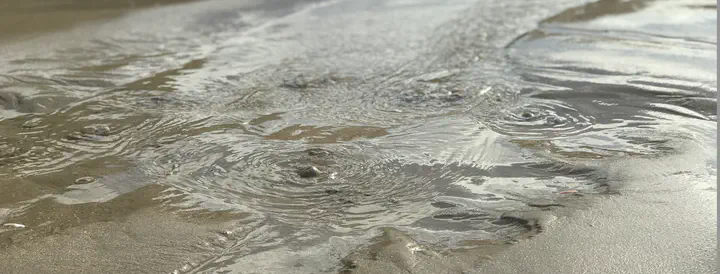 Image by Clara Ruiz-González
Submarine groundwater discharge (commonly known as “SGD”) refers to the discharge of fresh, saline, or brackish groundwater from coastal aquifers to the coastal ocean. This natural hydrological pathway is the source of many biogeochemically important elements to the sea, such as nutrients, carbon, pollutants, and other terrestrial elements. However, SGD is a challenging phenomenon to study, mainly because it occurs beneath the ocean’s surface and because of its high temporal variability, which makes its detection and quantification particularly difficult. In addition, microorganisms play crucial roles in determining the chemical quality of coastal groundwater before discharge, but we have very little knowledge on their diversity, distribution and activity. This precludes our capacity to understand the ecological consequences of SGD in the ocean.
PATCHI (CNS2023-144233) aims at characterizing the microbial aspects of SGD at small spatial scales that are seldom considered (centimeters/meters), both within the coastal aquifer close to the shoreline and right at the discharge points in the sea. Combining cross-shore porewater transect samplings in various Mediterranean beaches and in situ “natural groundwater addition” experiments, PATCHI will describe in detail the spatial variability in taxonomic composition and functions of i) the groundwater microbes driving changes in SGD and ii) the marine microbes exposed to SGD.
Spatio-temporal samplings will be performed across different coastal aquifer sites in order to elucidate the microbial diversity hidden in these systems, its environmental drivers and its role in biogeochemical cycling at the land-sea interface. Finally, the potential consequences of these groundwater inputs for the structure and functioning of marine microbial communities will be investigated. This project integrates different disciplines (chiefly microbiology, hydrogeology and oceanography) and will combine field samplings, experimental manipulations and modern molecular techniques such as sequencing methods, microscopic visualization, and techniques that allow linking taxonomy to activity to gain insight into the microbial dimension of SGD processes.

Clara Ruiz-González
Staff scientist
I am interested in studying microbial ecology and biogeography across terrestrial, freshwater and marine ecosystems